
You can make money on YouTube in two main ways. The first is through YouTube itself: ad revenue, Shorts revenue, memberships, Super Thanks and YouTube Shopping, all through the YouTube Partner Program (YPP). The second is outside YouTube: sponsorships, affiliate links, courses and your own products. Most creators who earn well use both.
This guide explains how each one works, what you need to qualify, and what to expect so you start with realistic goals.
2027 update: From February 1, 2027, new channels applying for YouTube ad revenue will need 1,000 subscribers plus 8,000 watch hours in 12 months (up from 4,000) or 20 million Shorts views in 90 days (up from 10 million). Channels already in the Partner Program aren’t affected, and the 500-subscriber level for memberships, Super Thanks and Shopping stays the same. (YouTube announcement)
How YouTube Monetization Works
YouTube shares part of the ad revenue from your videos with you once you join the YouTube Partner Program. The rest of your income depends on your audience trusting you enough to buy, join or support you.
Two terms worth knowing:
- CPM: what advertisers pay per 1,000 ad impressions.
- RPM: what you actually earn per 1,000 views after YouTube’s share, across all revenue sources. RPM is the number that matters, and you’ll find it in YouTube Studio under Analytics, then Revenue.
RPM varies a lot by niche, audience country, video length and time of year. Finance, tech and business channels with audiences in the US or UK usually earn much more per view than entertainment channels with mostly Indian audiences. Don’t trust any single “₹X per 1,000 views” figure you see online. Check your own once you’re monetized. Before you think about income, it helps to understand why YouTube SEO matters for ranking videos, because search is one of the most reliable ways to build watch hours.
YouTube Partner Program Requirements (2026 and 2027)
YPP has two levels, and the full level gets harder to reach for new channels from February 1, 2027.
| Level | Requirements | What it unlocks |
|---|---|---|
| Early access (unchanged) | 500 subscribers, 3 public uploads in the last 90 days, plus 3,000 watch hours in 12 months or 3 million Shorts views in 90 days | Channel memberships, Super Thanks, Super Chat, Super Stickers, YouTube Shopping |
| Full YPP (until January 31, 2027) | 1,000 subscribers, plus 4,000 watch hours in 12 months or 10 million Shorts views in 90 days | Everything above, plus ad revenue and YouTube Premium revenue |
| Full YPP (from February 1, 2027) | 1,000 subscribers, plus 8,000 watch hours in 12 months or 20 million Shorts views in 90 days | Same as above |
If you’re close to 4,000 watch hours now, try to apply before February 1, 2027. After that date you’ll need double the watch time. If you’re short on watch time, these tips to increase YouTube views can help you get there faster.
You also need to follow YouTube’s channel monetization policies, have 2-Step Verification on your Google account, live in a country where YPP is available, and link an AdSense account. In some regions the early access level isn’t available yet, so check the eligibility page in YouTube Studio.
10 Ways to Make Money on YouTube
1. Ad Revenue on Long Videos
Ads run before, during and after your videos. Videos 8 minutes or longer can have mid-roll ads, so that’s why many creators aim for that length. Only do it when the topic genuinely needs the time, though, because padding hurts watch time.
2. Shorts Ad Revenue
Ads between Shorts in the Shorts feed go into a shared pool, which is split among creators based on their share of views. Shorts usually earn far less per view than long videos, so most creators use them to grow and then send viewers to long videos.
From February 1, 2027, channels also need to keep at least 10 million Shorts views over the last 90 days to earn from Shorts ads and Premium. Dropping below that doesn’t remove you from YPP, and your long-video earnings continue. YouTube says it’s launching separate incentive programs for smaller channels.
3. Channel Memberships
Viewers pay a monthly fee for perks like badges, custom emojis, members-only videos or early access. This works best for creators with a loyal community, such as educators, gamers and niche experts.
4. Super Chat, Super Stickers and Super Thanks
During live streams, viewers can pay to highlight their message (Super Chat) or send an animated sticker (Super Stickers). On regular videos and Shorts, they can tip you with Super Thanks. These add up for creators who go live regularly.
5. YouTube Premium Revenue
When YouTube Premium members watch your videos, you get a share of their subscription fee, based on how much of your content they watch. There’s nothing extra to set up once you’re in full YPP.
6. YouTube Shopping and Affiliate Links
You can tag products in your videos through YouTube Shopping, including your own store or approved retailers in supported countries. Outside YouTube, add affiliate links in your description through programs like Amazon Associates. Always disclose affiliate links and paid promotions, both in the video and the description.
7. Brand Sponsorships
Brands pay you to mention or feature their product. What you earn depends on your niche, how engaged your audience is and how well your viewers match the brand. A small channel with a focused audience (for example, WordPress tutorials) can land deals before a large general channel. Use YouTube’s “includes paid promotion” checkbox whenever a video is sponsored.
8. Merchandise
Sell T-shirts, mugs or other merch through YouTube’s Merch shelf with an approved retailer, or through print-on-demand services like Spring (previously Teespring). Merch works best once you have recognisable branding or inside jokes your audience loves.
9. Courses, Coaching and Digital Products
If you teach something, such as coding, marketing, fitness or photography, YouTube can be the free top of your funnel. Your free videos build trust, and a paid course, ebook, template pack or 1:1 coaching session is the next step. For many educational creators this earns more than ads.
10. Fan Support (Patreon, Buy Me a Coffee)
Some viewers simply want to support you. Patreon or Buy Me a Coffee lets them pay monthly or one time, often in exchange for bonus content or early access.
Step-by-Step: Starting a YouTube Channel That Can Earn
Step 1: Pick a niche you can stick with
Choose a topic you know well and can make at least 50 videos about. Then check that people are actually searching for it: type ideas into YouTube search and look at the autocomplete suggestions, and see how other channels’ videos on the topic are performing.
Good niches combine three things: your knowledge, viewer demand and a way to make money (products to recommend, skills to teach, or brands that would sponsor you). For inspiration, look at how the most subscribed YouTube channels built huge audiences around a clear focus.
Step 2: Set up your channel properly
- Use a clear channel name and handle that match your brand.
- Write a channel description that says what you make and who it’s for, using the words your audience searches.
- Add a banner, profile photo and links to your website and social profiles.
- Turn on 2-Step Verification for your Google account now, so it’s ready when you apply for YPP.
- Add related or partner channels to your homepage. Here’s how to add featured channels on YouTube.
Step 3: Make videos people search for and click
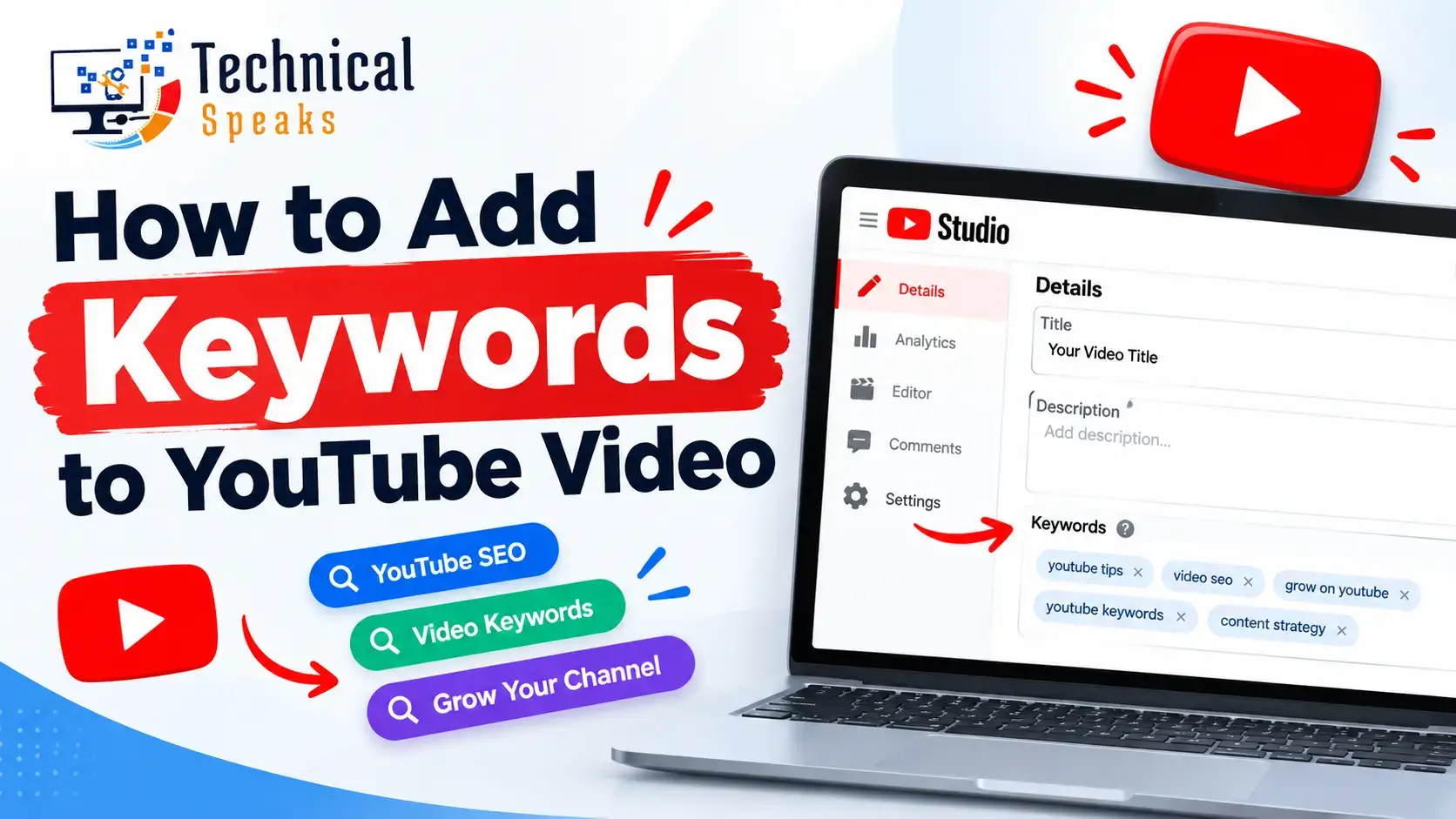
- Start with questions people already ask (“how to…”, “best… for…”, “… vs …”), and learn how to add keywords to YouTube videos in your titles, descriptions and tags.
- Write clear titles that promise a specific result, and design thumbnails that are readable on a phone.
- Hook viewers in the first 15 seconds by showing what they’ll get.
- Add chapters, a useful description and relevant links.
Many of the same ideas behind improving your click-through rate in SEO apply to YouTube titles and thumbnails.
Step 4: Post consistently and watch your analytics
Pick a schedule you can actually keep, even if it’s one video a week. In YouTube Studio, watch three numbers:
- Click-through rate: are people clicking your thumbnails?
- Average view duration and retention: where do they stop watching?
- Traffic sources: do views come from search, suggested videos or Shorts?
Double down on what works, and change what doesn’t.
Step 5: Apply for YPP and add other income streams
Once you qualify, apply in YouTube Studio under Earn. If you’re already a partner, accept YouTube’s updated monetization terms in YouTube Studio by January 31, 2027 to avoid a break in earnings.
Don’t wait for ads to start earning, though. Affiliate links, a simple digital product or a service can start working from your first few hundred viewers.
AI and Reused Content: What YouTube Won’t Monetize
YouTube can reject or remove a channel from YPP for “inauthentic” content. That means mass-produced, repetitive videos with little original value, such as slideshows of stock clips with a robotic voiceover, or compilations of other people’s content.
Using AI tools is fine for scripts, editing or ideas. But your videos need your own value: explanation, commentary, testing, or a real point of view. If a video has realistic altered or synthetic content (for example, an AI-generated person or scene viewers could mistake for real), YouTube requires you to disclose it when you upload.
How Much Can You Really Earn on YouTube?
Honestly, it depends on your niche, your audience’s country, your video length and how many income streams you use. Two channels with the same views can earn very different amounts.
What’s realistic for most people:
- The first 6–12 months are about learning and growing. Many channels earn little or nothing in this phase.
- After joining YPP, ad income starts modestly and grows with your library of videos, because older videos keep getting views.
- Long term, creators who combine ads with affiliates, sponsors and their own products usually earn far more than ads alone.
Check your RPM in YouTube Studio after a few months, then do the maths: monthly views divided by 1,000, times your RPM, gives a rough ad income figure.
Getting Paid in India
- YouTube pays through Google AdSense. Once your balance reaches the payment threshold (₹1,000 for most Indian accounts), it’s paid to your bank account monthly.
- You’ll need to verify your identity, your address (AdSense may post a PIN) and your bank details.
- Submit your US tax information in AdSense. Without it, Google can withhold a higher percentage of your US earnings. India’s tax treaty with the US usually lowers this, but check your own situation.
- YouTube income is taxable in India. Speak to a CA about GST and income tax once you start earning regularly.
Common Challenges (and How to Handle Them)
- Slow growth: most channels take months to get going. Focus on improving each video instead of chasing quick wins.
- Algorithm changes: Don’t rely on one format. A mix of long videos, Shorts and search-focused content is safer, and strong YouTube SEO keeps older videos getting found.
- Demonetization: read the advertiser-friendly content guidelines before you upload anything sensitive.
- Unsteady income: ad rates rise near the end of the year and drop in January, so building non-ad income makes you more stable.
- Burnout: batch-record videos and keep a schedule you can realistically sustain.
Quick Checklist: Making Money on YouTube
- Picked a niche with demand and a clear way to earn
- Channel name, description, banner and links set up
- 2-Step Verification turned on
- Videos target real questions people search for
- Clear titles, readable thumbnails, strong first 15 seconds
- Analytics checked weekly (CTR, retention, traffic sources)
- Affiliate links and disclosures added where relevant
- YPP application ready, ideally before February 1, 2027 if you’re close to 4,000 watch hours
- AdSense, tax info and bank details complete
- At least one non-ad income stream planned
Frequently Asked Questions
How many subscribers do you need to make money on YouTube?
You need 500 subscribers (plus watch hours or Shorts views and recent uploads) for the early access level, which unlocks memberships, Super Thanks and Shopping. For ad revenue, you need 1,000 subscribers plus 4,000 watch hours in 12 months or 10 million Shorts views in 90 days. From February 1, 2027, new applicants need 8,000 watch hours or 20 million Shorts views instead. Affiliate links and sponsorships don’t require YPP at all.
Do existing YouTube Partners need 8,000 watch hours?
No. The higher 8,000-hour and 20-million-view thresholds only apply to channels applying for YPP on or after February 1, 2027. Channels already in the program keep their status.
How much does YouTube pay per 1,000 views?
There’s no fixed rate. Your RPM depends on your niche, your audience’s country, video length and the season. The only reliable figure is your own RPM in YouTube Studio once you’re monetized.
Can you make money from YouTube Shorts?
Yes. Once you’re in full YPP, you earn a share of the ad revenue from the Shorts feed. Per view, it’s usually much lower than long videos. From February 1, 2027, you’ll also need at least 10 million Shorts views in 90 days to keep earning from Shorts ads.
Can I monetize a faceless or AI-made channel?
Faceless channels can be monetized if the videos have original value, like useful explanations, commentary or tutorials. Mass-produced, repetitive or reused content can be rejected under YouTube’s inauthentic content policy. Disclose realistic AI-generated content when you upload.
How long does it take to start earning on YouTube?
It varies a lot. Some channels qualify for YPP within a few months, while many take a year or more, and the 2027 thresholds will make it slower for new channels. You can start earning earlier with affiliate links or by promoting your own service or product.
How do YouTubers in India get paid?
Through Google AdSense, which pays monthly to your bank account once your balance passes the payment threshold. You’ll need to verify your identity and address and submit tax information first.
Final Thoughts
Making money on YouTube is less about luck and more about consistently making videos that solve problems for a specific audience. Start with a niche you know, set up your channel properly, learn from your analytics, and add income streams beyond ads as soon as you can. With the 2027 rules raising the bar for ad revenue, those extra income streams matter more than ever.
If you want help growing a channel or connecting your videos to your website and search traffic, get in touch with our team today.
Saurabh K. has been working in SEO and digital marketing for 10+ years, helping businesses grow their search traffic.


Comments
Leave a comment