
If you run a restaurant, clinic, salon, shop or local service business, most of your best customers live or work near you. They’re not searching for “best pizza in the world.” They’re searching for “pizza near me,” “dentist in [your city],” or “plumber open now.”
That’s what local SEO is for. It helps your business show up in Google’s map results, local pack and local website results when people nearby are ready to choose someone.
This guide explains what local SEO is, why it still matters in 2026, and what to fix first.
What is local SEO?
Local SEO is the work of making your business easy to find in a specific area. It mainly covers three places:
- The Local Pack / Map Pack: the map and three business listings Google often shows at the top
- Google Maps: where people search, call, get directions and read reviews
- Local organic results: normal website results that mention your city or area
It’s different from broad SEO. Broad SEO tries to rank nationwide or worldwide. Local SEO tries to win the searches that lead to a visit, a call or a booking near you.
Why local SEO matters
1. Local searches are high-intent
When someone searches “near me” or “in [city],” they usually want a place they can use soon. A strong local presence puts you in front of people who are closer to buying, booking or walking in.
2. It builds trust fast
A complete Google Business Profile, real photos, clear hours and recent reviews make a business look safer than a competitor with missing details. People often decide from the map listing before they ever open a website.
3. It helps smaller businesses compete
You don’t need a huge brand budget to win locally. A well-kept profile, steady reviews and useful local pages can beat a bigger chain that ignores its listings.
4. It wins on mobile
Most local searches happen on phones. If your hours, directions, call button and mobile site are clear, you make the next step easy while someone is already out or on the move.
5. It drives foot traffic and calls, not just clicks
Good local SEO doesn’t only send people to a blog post. It gets them to tap Call, Directions or your website at the moment they need you.
The parts of local SEO that actually move results
1. Google Business Profile (the biggest lever)
Your Google Business Profile is usually more important than any single blog post for local visibility.
Optimize it properly:
- Claim and verify the profile
- Use the real signage name (don’t stuff keywords into the name)
- Keep Name, Address and Phone identical to your website
- Choose the right primary category, then useful secondary categories
- Add services, products and accurate attributes
- Upload real, recent photos of the place, team and work
- Post updates regularly
- Reply to every review, good and bad
- Add Q&A with honest answers
- Keep hours correct, including holidays
2. Local keywords on your website
Use place names the way customers speak. Instead of only “dentist,” target phrases like “dentist in Los Angeles” or “family dentist near [neighbourhood].”
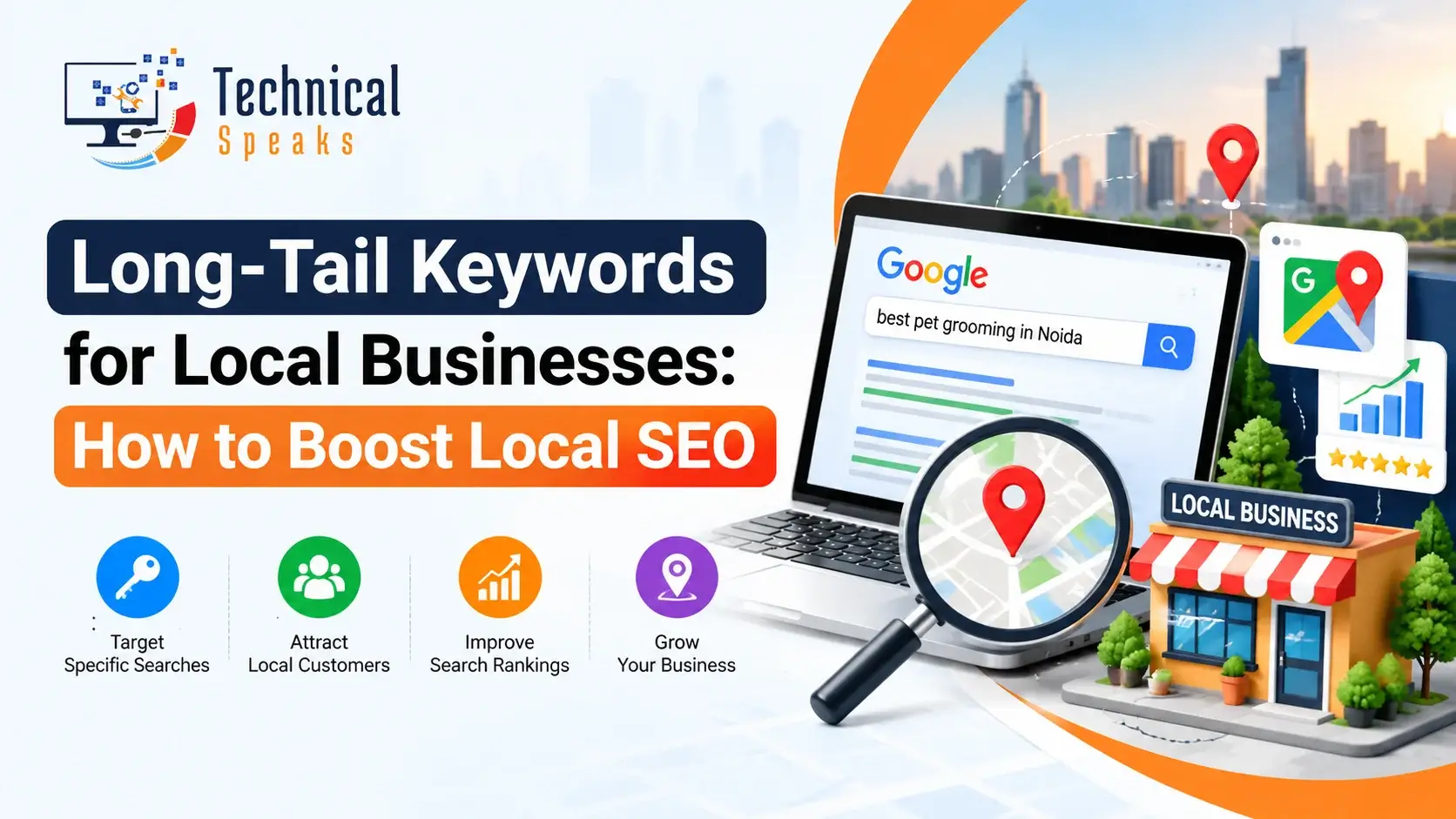
Put them naturally in titles, headings, service pages and FAQs. For more ideas, see long-tail keywords for local businesses.
3. Reviews and reputation
Reviews affect both clicks and rankings.
- Ask happy customers for an honest review
- Make the review link easy to find
- Reply to all reviews, especially critical ones
- Never buy reviews or offer rewards for five stars
A steady flow of real reviews beats a sudden spike of suspicious ones.
4. Citations and directories
Citations are mentions of your Name, Address and Phone on other sites (directories, maps, industry listings).
Keep NAP consistent everywhere. Choose relevant directories over dozens of low-quality ones.
5. A mobile-friendly, fast website
If the profile sends people to a slow or hard-to-use site, you lose the lead. Make sure the site loads quickly, shows the phone number clearly, and works well on a phone.
6. Local content
Create pages and posts that prove you serve a real place:
- Service pages for each main offer
- Location pages only when you truly serve that area
- Local guides, FAQs and seasonal posts people nearby care about
One strong page per location beats ten thin pages repeating the same text.
7. Local links and mentions
High-quality backlinks from local sources still help: community sites, local blogs, partners, schools, chambers and event pages. Useful partnerships beat random directory spam.
Local SEO in 2026: what to add
AI search and local discovery
People also ask ChatGPT, Perplexity and Google’s AI experiences for recommendations. Check whether your business is mentioned for prompts like “best [service] in [city].” Clear website info, strong reviews and a complete profile make that more likely.
One location, one profile
If you have multiple branches, each one needs its own profile and its own page. Don’t put three addresses in one footer and expect Google to understand which location is which.
Storefront vs service-area business
- Storefront (cafe, salon, shop): address and directions matter most
- Service-area (plumber, cleaner, tutor): service areas and call/booking matter more; hide the address only if that matches how you actually operate
A simple example
Imagine you run a bakery in Delhi. A competitor ranks for “best cupcakes in Delhi” and sits in the map pack.
Your first checks shouldn’t only be blog keywords. Compare their Google profile reviews, categories, photos and reply rate with yours. Then improve your profile, ask for reviews, and build one clear location page. That’s local SEO in practice, and it pairs well with a wider SEO competitor analysis.
Local SEO checklist to get started
- Claim and clean up your Google Business Profile
- Match NAP on the website and every listing
- Pick accurate categories and services
- Add fresh photos and weekly posts
- Ask for reviews and reply to all of them
- Build or improve your main location / service pages
- Make the site fast and easy to call on mobile
- Track calls, direction requests and Search Console queries
Common local SEO mistakes
- Keyword-stuffed business names
- Wrong or inconsistent addresses and phone numbers
- Ignoring negative reviews
- Fake or incentivised reviews
- Outdated hours
- Duplicate pages for the same location
- Buying irrelevant links or spammy citations
- Publishing local content once, then never updating it
Frequently asked questions
How long does local SEO take?
Often weeks to a few months for noticeable map and organic movement, depending on competition and review strength. Profile fixes can help sooner than new website content.
Is Google Business Profile enough on its own?
It’s the priority, but a clear website, consistent NAP and reviews make the whole presence stronger.
Do I still need a website?
Yes for most businesses. The profile wins attention; the website helps explain services, build trust and convert.
How often should I post on my profile?
Once a week is a solid rhythm for many small businesses, as long as the posts are useful and accurate.
Can local SEO help service-area businesses?
Yes. Focus on service pages, service areas, reviews and fast enquiry options.
Final thoughts
Local SEO is one of the most practical ways for a small business to grow. When people nearby search, you want your name, reviews, hours and directions ready for them.
Start with your Google Business Profile, keep your details consistent, earn real reviews, and support it with clear local pages. If you want the wider process for studying competitors, use our SEO competitor analysis guide for beginners.
About the author Saurabh K. has been working in SEO and digital marketing for 10+ years, helping businesses grow their search traffic.


Comments
Leave a comment