PPC basics
1. What is PPC and how does it work?
PPC (pay-per-click) is an advertising model where you pay each time someone clicks your ad. Advertisers choose keywords or audiences, set a budget and bids, and the platform runs an auction to decide which ads show.Example: a shoe store targets “buy running shoes online.” When someone searches that, its ad can appear at the top of Google, and the store pays only if the person clicks.2. What’s the difference between PPC and SEO?
PPC is paid traffic that starts as soon as your ads go live and stops when you stop paying. SEO is unpaid organic traffic that takes longer to build but keeps working over time. Most businesses get the best results using both. See our full comparison of SEO vs PPC, and for a real-world case, Google Ads vs SEO for doctors.3. Which PPC platforms are most common?
- Google Ads: Search, Shopping, Display, YouTube, Demand Gen and Performance Max
- Microsoft Advertising: Bing and its partner network, often with lower CPCs
- Meta Ads: Facebook and Instagram
- LinkedIn Ads: B2B targeting by job title, industry and company
- Amazon Ads: for sellers on Amazon. See our guide to Amazon search terms
4. What’s the difference between CPC, CPM and CPA?
- CPC (cost per click): what you pay per click. Common in Search. Example: ₹15 per click.
- CPM (cost per thousand impressions): what you pay per 1,000 ad views. Common in display and video. Example: ₹200 per 1,000 impressions.
- CPA (cost per acquisition): how much each conversion costs you. Example: ₹500 per lead.
5. What’s the difference between search ads and display ads?
Search ads are text ads that appear when people actively search for something, so they capture existing demand. Display ads are image or video ads shown on websites, apps and YouTube. They create demand by reaching people before they’re searching, often through audiences or remarketing.Google Ads questions
6. What is Quality Score?
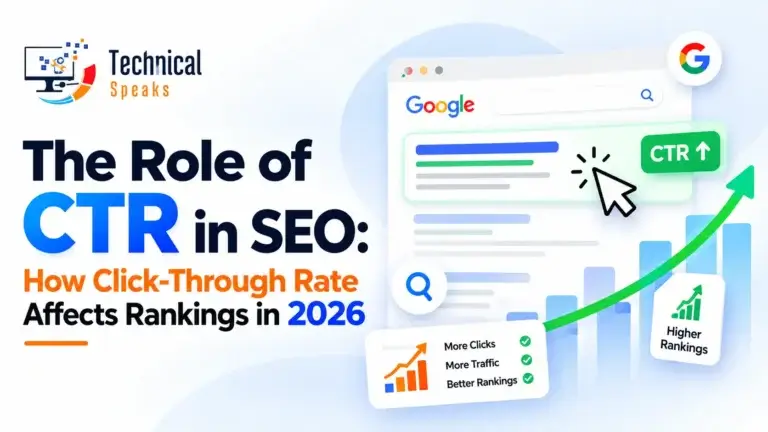
Quality Score is a 1–10 rating Google gives each keyword based on three things:- Expected click-through rate (CTR): how likely people are to click
- Ad relevance: how closely the ad matches the search
- Landing page experience: how useful and relevant the page is after the click
7. What is Ad Rank, and why doesn’t the highest bid always win?
Ad Rank decides your ad’s position and whether it shows at all. It’s based on your bid, the quality of your ad and landing page, the expected impact of assets, the search context (device, location, time) and Ad Rank thresholds.So an advertiser with a lower bid but a much more relevant ad can outrank someone who simply bids more.8. What are keyword match types?
- Broad match: shows for searches related to the meaning of your keyword. This gives the widest reach and works best with smart bidding.
- Phrase match: shows for searches that include the meaning of your phrase, in a sensible order.
- Exact match: shows for searches with the same meaning or intent as your keyword. This gives the tightest control.
9. What are negative keywords?
Negative keywords stop your ads from showing for searches you don’t want. A luxury shoe brand might add “cheap” and “free” as negatives so it doesn’t pay for clicks from bargain hunters.Mention the search terms report. It shows the actual searches that triggered your ads, and it’s where you find new negative keywords.10. What are assets (formerly ad extensions)?
Assets add extra information to your ads and usually improve CTR. Google renamed “extensions” to “assets” in 2022. Common types:- Sitelinks: links to specific pages
- Callouts: short highlights like “Free Shipping”
- Structured snippets: lists like service types or brands
- Calls: a phone number or call button
- Locations: your business address from Google Business Profile
- Images, prices and promotions
11. What are responsive search ads (RSAs)?
RSAs are the standard Search ad format. You write up to 15 headlines and 4 descriptions, and Google tests combinations to show the best-performing version for each search. They replaced expanded text ads in 2022.Tip: write headlines that make sense in any order, and use pinning sparingly.12. What is Performance Max?
Performance Max (PMax) is a goal-based campaign type that runs across all Google channels: Search, Shopping, YouTube, Display, Discover, Gmail and Maps. You give it assets, audience signals, a budget and a conversion goal, and Google’s AI decides where to show your ads.It’s powerful for ecommerce and lead generation, but it needs good conversion tracking and offers less control than standard campaigns. Ecommerce advertisers often run it alongside a strong ecommerce SEO strategy.13. What is smart bidding?
Smart bidding uses Google’s machine learning to set bids for each auction based on the chance of a conversion. Common strategies:- Maximize conversions: gets as many conversions as possible within budget
- Target CPA: aims for an average cost per conversion
- Maximize conversion value / Target ROAS: focuses on revenue rather than volume
- Maximize clicks: for traffic, often used early on
14. What is remarketing?
Remarketing shows ads to people who have already visited your site or app, such as someone who viewed a laptop but didn’t buy. Because these users already showed interest, remarketing usually converts better and costs less than cold targeting. It runs on Display, YouTube, Demand Gen and social platforms. It depends on user consent and privacy settings.15. How do you track conversions in Google Ads?
Through the Google tag (gtag.js or Google Tag Manager), importing GA4 key events, call tracking, or offline conversion imports from a CRM. In 2026 you should also mention:- Enhanced conversions: use hashed first-party data, such as email, to improve measurement
- Consent Mode: respects users’ cookie choices and models conversions where data is missing
16. How do you do keyword research for a PPC campaign?
Start with Google Keyword Planner for ideas, volume ranges and estimated bids. See our Keyword Planner guide. Check competitors’ ads, group keywords by intent into tight ad groups, and favor commercial keywords like “buy,” “price” or “near me.” Long-tail keywords are often cheaper and convert better. For organic research ideas, see high traffic, low competition keywords.Metrics and calculation questions
Interviewers often hand you numbers. Practice these until they’re quick.17. What metrics do you use to measure PPC success?
- CTR = clicks ÷ impressions × 100
- Conversion rate = conversions ÷ clicks × 100
- CPC = cost ÷ clicks
- CPA = cost ÷ conversions
- ROAS = revenue ÷ ad spend
- Impression share: how often you showed versus how often you could have
18. Calculate: 20,000 impressions, 600 clicks, ₹9,000 spend, 30 conversions.
- CTR = 600 ÷ 20,000 × 100 = 3%
- CPC = ₹9,000 ÷ 600 = ₹15
- Conversion rate = 30 ÷ 600 × 100 = 5%
- CPA = ₹9,000 ÷ 30 = ₹300
19. You spend ₹10,000 and earn ₹50,000 in sales. What’s your ROAS?
ROAS = ₹50,000 ÷ ₹10,000 = 5 (or 500%). For every ₹1 spent, you earned ₹5 in revenue. Add that profit depends on margins, so a 5x ROAS isn’t automatically profitable for every business.Scenario questions
These show how you think. There’s no single right answer, so walk through your steps.20. CPA doubled this week. What would you check?
- Tracking first: is the conversion tag still firing? Did anything change on the website?
- Changes: were bids, budgets, ads or keywords edited?
- Search terms: are irrelevant searches eating budget? Add negatives.
- Competition: did CPCs jump? Check auction insights.
- Landing page: is it slow, broken or changed?
- Seasonality: is this a normal slow period?
21. Your client has a small budget. How would you structure the campaign?
Start with Search only, a few high-intent keywords (often phrase or exact match), strong negatives, and a tight location and schedule. Send traffic to one focused landing page and track conversions properly. Avoid spreading a small budget across Display, PMax and broad keywords at the start.22. A campaign gets lots of clicks but no conversions. What do you do?
Check that conversion tracking works. Then review search terms for irrelevant traffic, compare the ad’s promise with the landing page, test the page on mobile, and make sure the offer and call to action are clear. Often the problem is the page, not the ads.HR and career questions
23. Why do you want to work in PPC?
Talk about what genuinely interests you, such as fast feedback, working with data, or seeing campaigns turn into real sales. Mention anything you’ve actually done: a practice campaign, a certification or helping a family business.24. Why should we hire you as a fresher?
Sample answer: “I understand the core of Google Ads, from match types and Quality Score to smart bidding and conversion tracking, and I’ve practiced by building campaigns in a test account and earning my Google Ads certifications. I learn quickly, I’m comfortable with numbers, and I want to grow with a team where I can get hands-on experience and contribute from the start.”25. How do you keep up with PPC changes?
Mention specific sources: the Google Ads Help Center and official Google Ads blog, Search Engine Land, Search Engine Journal and PPC communities on LinkedIn or Reddit. Bonus points if you know a recent change, such as AI-driven campaign types or new asset formats. For the bigger picture, see our posts on AI marketing trends for 2026 and generative AI in digital marketing.How to prepare for a PPC interview
- Get certified. Google’s free Skillshop certifications (Search, Display, Video, Shopping, Measurement) are widely recognized.
- Practice hands-on. Explore the Google Ads interface and build a sample campaign structure. Even a ₹500 test on a personal project teaches a lot.
- Learn GA4 basics. Employers value people who can connect ads to results. Our guide to SEO reports for clients shows how GA4 data is used in reporting.
- Know the competition. Practice spotting competitors’ ads and offers. Our SEO competitor analysis basics apply to paid search too.
- Bring examples. Even a simple case study (“I set up a campaign for X and here’s what I learned”) beats theory alone.
FAQ
What questions are asked in a PPC interview for freshers?
Expect basics (what PPC is, CPC vs CPM vs CPA), Google Ads concepts (Quality Score, match types, negative keywords, assets), metrics calculations, a simple scenario question and HR questions about why you want the role.Is a Google Ads certification required for a PPC job?
It’s not always required, but it’s strongly recommended for freshers. It’s free, shows commitment and covers most of the basics interviewers ask about.What’s the most important skill for a PPC executive?
Analytical thinking. Being able to read data, spot problems and decide what to change matters more than knowing every feature.Do I need to know Performance Max as a fresher?
You should know what it is, when it’s used and its main pros and cons. You don’t need deep experience, but being completely unaware of it in 2026 looks outdated.How do I answer scenario questions with no experience?
Walk through your thinking step by step. Start by checking tracking, then look at recent changes, search terms, competition and the landing page. A clear process matters more than a perfect answer.Final thoughts
To crack a PPC interview as a fresher, you don’t need years of experience. You need solid basics, a working idea of how Google Ads runs today, and the ability to think through a problem out loud. Practice the calculations, learn the newer features like smart bidding and Performance Max, and bring one or two real examples of things you’ve tried. That alone puts you ahead of most candidates.Want to learn more about building a career in digital marketing? Get in touch with our team today.
Saurabh K. has been working in SEO and digital marketing for 10+ years, helping businesses grow their search traffic.