

As marketing evolves rapidly, artificial intelligence is becoming the driving force behind how brands connect, communicate, and convert. By 2026, AI will not just support marketing—it will define it. From personalization to performance measurement, AI-driven strategies—including optimized metadata like the OG Tag for better social sharing—will shape sustainable growth. Let’s explore the key trends that will transform marketing in the coming years.
1. Personalization on a big scale—making things very relevant without any work on your part
AI has made personalization much better, moving from simple segments to customisation that happens all the time and in real time. Brands will deliver millions of micro-segments or even individual customers distinct journeys across email, on-site content, advertisements, and commerce touchpoints, instead of just a few audiences. This isn’t just a theory. Companies who utilize AI in marketing and sales believe they make the most money because personalized experiences lead to more sales and keep customers longer.
Action: Make sure your data feeds (behavior, CRM, product) are working and make a single “first” customer touch (such onboarding emails or product recommendations) a major focus. This will make it normal for content production to be tailored in real time.
2. Generative AI for creativity and speed
Generative models are making it faster to make commercials, social media posts, video storyboards, and different versions of images. That means more creative versions, faster A/B testing, and the ability to swiftly use materials on numerous channels. As more individuals use generative AI, creative work will go from making things by hand in batches to a model that is always available and full of experimentation. A tremendous rise in market investment in generative AI and related tools has driven this development.
Action: Use generative tools on creative activities that aren’t too risky, like crafting subject lines, short scripts, and different variations of thumbnails. Make sure there are safety rails and a person checks the brand voice and the law.
3. AI agents and conversational commerce—people tell their agents what they want
In 2026, more and more people will utilize personal AI agents to search for, compare, and buy products. Marketers will need to rethink how they work and focus on agents instead of people. They will need to make offers, product information, and reliable credentials clear to agents so that they can grasp them and take action. There is already talk of a “agent economy” where automated middlemen take care of people’s needs.
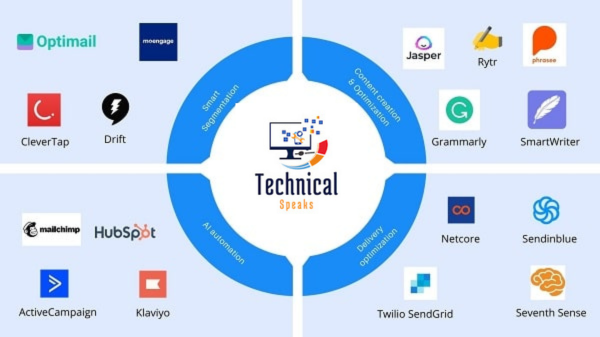
Action: Put together product metadata, reviews, and attribution in a way that supports AI Transformation, allowing machine agents to easily evaluate your offer through clear specs, outcome-focused claims, and well-organized pricing. Think about APIs or other integration methods to connect your product with external software so intelligent agents can utilize it efficiently.
4. Real-time attribution and closed-loop learning make measurement smarter
Last-click metrics won’t work anymore when AI can improve bids, creatives, and audiences in milliseconds. More attribution systems that function in real time and use models that learn how things happen across channels are on the way. These systems will deliver optimization loops straight to media buys and making creative work. Platforms that employ AI to track and enhance ads are already getting information from experts to help them get ready for 2026.
Change from static reports to dashboards and experiment frameworks that present data as it happens. Lock in incremental measurement (holdouts, geo experiments) so your AI can learn from signals that are trustworthy.
5. AI you can trust and personalization that puts privacy first
People will pay greater attention to how data is utilized, model bias, and customer trust as personalization and automation become more ubiquitous. “Trusted AI” will be vital, and it will need to be clear, controlled, and safe. consumers will trust brands that can show they handle data in a fair way, make decisions based on good models, and let consumers choose how to use their data. These brands will also be less affected by changes in the law. Companies are spending money on governance frameworks and corporate controls to make sure they employ AI properly with clients, according to recent trends.
Write a simple AI usage policy that tells customers how their data is used. Make a list for internal model governance and make sure that every marketing touchpoint gives clients clear choices about their privacy.
6. People and AI working together—new professions and talents
AI won’t put marketers out of work; it will transform the way they work. There will be a lot of need for marketers who know how to utilize AI to encourage, evaluate, and direct models; data engineers who offer clean training data; and strategists who turn AI outputs into brand stories. Training and trying new things will be highly vital to keep ahead of the competition. Industry advice already says that marketing teams should work on improving their talents.
Action: Create a weekly “AI lab” where marketers and analysts can test new technologies and track what works and what doesn’t, including experiments for e-mail marketing automation and personalization. Invest in short training sessions that teach prompt development, data interpretation, and model evaluation.

A short plan for marketers (90 days)
Pick one use case that will make a major difference, such welcome emails, product recommendations, or ad creativity.
Check to see if the data pipeline is safe or clean.
Do a controlled pilot with plans for others to look at and measure.
Write down the results, adjust the rules for how the company is run, and make the mechanisms that help keep customers or get new ones bigger.
Last thoughts
By 2026, AI will be used in every facet of marketing, from personalizing ads to doing creative work to measuring results and even shaping how people tell agents they want to buy something. People who chase every shiny tool won’t win. Instead, those who succeed will employ focused experimentation, a clear data strategy, and responsible AI governance to turn capabilities into long-term growth—while also building authority through strategies like earning a high quality backlink. If you start small, measure properly, and establish trust along the way, you’ll be ready for a marketing world that moves quicker, is smarter, and cares more about people than ever before.